
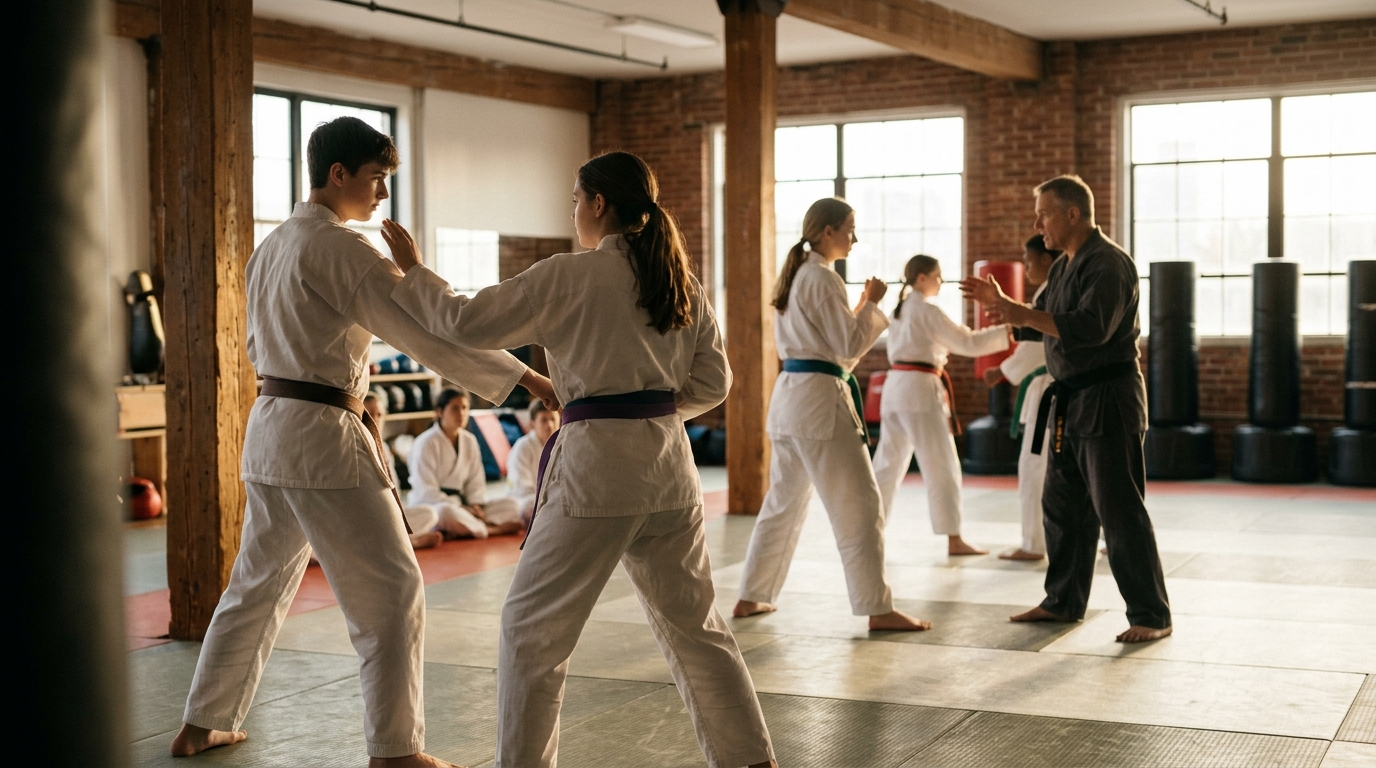
Yes, self defense training significantly boosts teen confidence in Louisville by providing structured environments where students master physical skills and mental discipline. At Hwang's Martial Arts, teens learn that confidence stems from preparedness and respect, not aggression. This approach transforms how young people handle social pressure and physical challenges in their daily lives.
The Psychological Impact of Physical Mastery
Self defense training is a systematic practice of physical techniques designed to protect oneself from harm. For teenagers, the act of mastering a new physical skill creates a tangible sense of achievement. When a teen successfully executes a block or a strike, they receive immediate feedback that their effort yields results. This positive reinforcement loop builds self-efficacy, which is the belief in one's own ability to succeed in specific situations.
In Louisville, where social dynamics can be intense for high school students, this physical mastery translates into social confidence. Students who feel capable in their bodies often feel more capable in their minds. They are less likely to freeze in stressful situations because they have practiced reacting under pressure. The confidence gained on the mat is a transferable skill that helps teens navigate academic and social environments with greater poise.
Discipline and Respect as Confidence Builders
Martial arts is a discipline that emphasizes respect, focus, and self-control alongside physical fitness. Many teens associate confidence with loudness or dominance, but true confidence is quiet and steady. Instructors at Teen & Adult Martial Arts programs teach students to control their impulses and respect their peers. This behavioral shift reduces anxiety because students feel they have a code of conduct to follow in difficult interactions.
The structured nature of these classes provides a safe space for teens to test their limits. They learn that failure is part of the process and that respect is earned through consistent effort. This mindset shift is crucial for building resilience. When teens understand that they can handle physical discomfort and social friction with grace, their overall self-esteem rises. They stop seeking validation from external sources and start deriving it from their own internal standards.
Safety Awareness and Situational Awareness
Self defense training is also an educational tool that teaches situational awareness and risk assessment. Teens are taught to recognize potential threats before they escalate, which is a critical life skill. This awareness reduces the fear of the unknown, a major component of anxiety for many young people. By understanding how to avoid dangerous situations, teens feel more in control of their environment. They are not passive victims of circumstance but active participants in their own safety.
In Louisville, this awareness extends beyond the dojang. Students learn to read body language and environmental cues, skills that are useful in any social setting. This heightened awareness makes them feel more secure in public spaces. They know they have the tools to protect themselves, which eliminates the constant low-level stress of feeling vulnerable. This sense of security is a foundational element of lasting confidence.
The Power of Community and Mentorship
Confidence is often built in community, and martial arts schools provide a unique social ecosystem. At Hwang's Martial Arts, students train alongside peers who share similar goals. This camaraderie reduces the isolation many teens feel. They are part of a team where everyone supports each other's growth. The mentorship from experienced instructors further reinforces this sense of belonging and capability.
Teens who train in these environments often feel more connected and less lonely. They have a place to belong where their efforts are recognized and celebrated. This social support system is a powerful confidence booster. It provides a network of peers who understand the value of hard work and discipline. This community aspect ensures that confidence is not just individual but shared and reinforced by a supportive group.
Long-Term Growth and Identity Formation
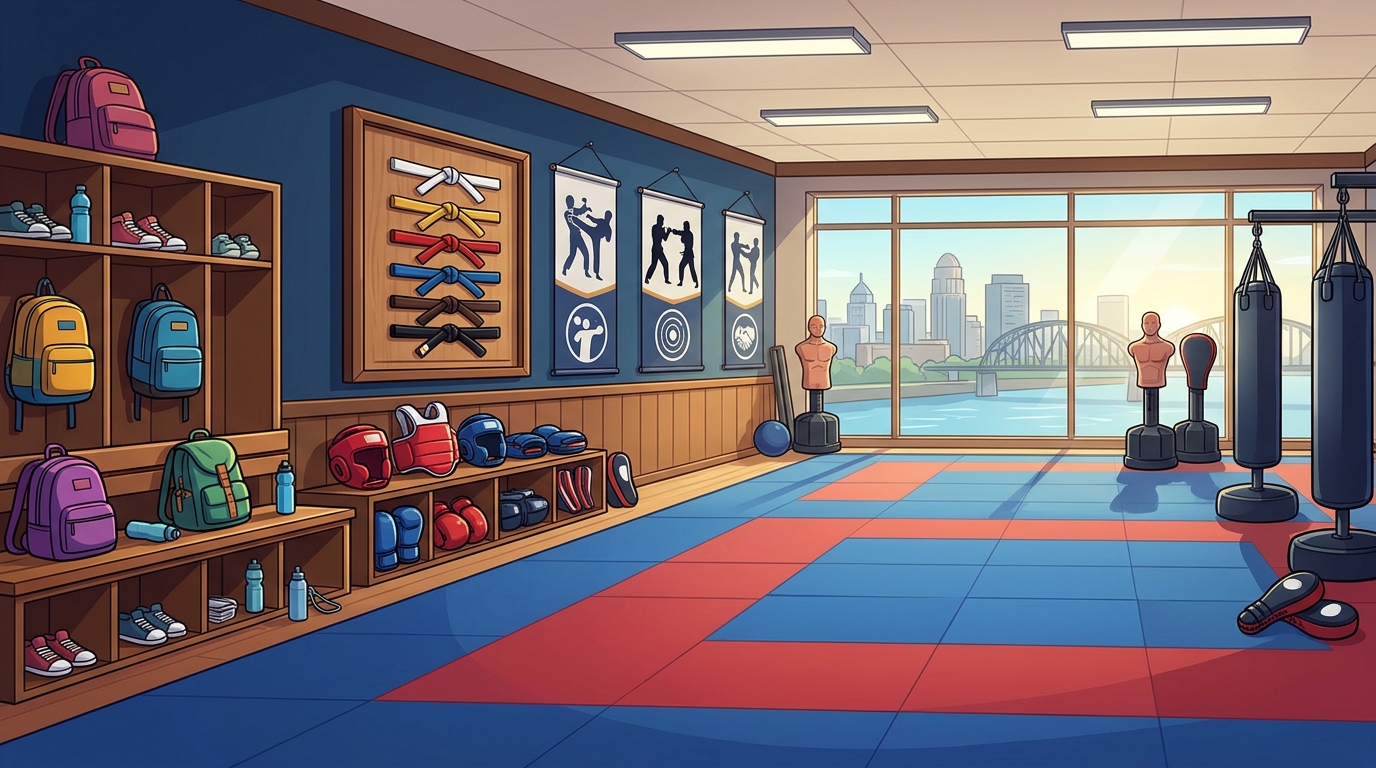
Self defense training is a long-term commitment that shapes identity and character. As teens progress through belt ranks, they develop a sense of identity tied to their discipline and effort. This identity is resilient and positive. It helps them define who they are beyond their grades or social status. They see themselves as capable, disciplined, and respectful individuals. This strong sense of self is the ultimate form of confidence.
The skills learned in these programs last a lifetime. Teens who build confidence through self defense carry it into adulthood. They are better equipped to handle stress, lead teams, and solve problems. The foundation laid during their teenage years provides a stable base for future success. This long-term perspective makes self defense training a valuable investment in a teen's overall development.
Key Takeaways
- Self defense training builds confidence by providing tangible physical achievements.
- Discipline and respect taught in martial arts reduce social anxiety and improve behavior.
- Situational awareness skills make teens feel more secure in public environments.
- Community and mentorship in martial arts schools provide essential social support.
- Long-term training shapes a positive identity rooted in effort and discipline.
- Confidence gained on the mat transfers to academic and social settings.
Frequently Asked Questions
Is self defense training suitable for shy teens?
Yes, self defense training is highly beneficial for shy teens. The structured environment provides clear goals and a supportive community. As they master physical skills, their self-esteem grows, helping them become more comfortable in social situations. The focus on respect and discipline creates a safe space for gradual social integration.
How long does it take to see confidence improvements?
Many teens notice improvements in confidence within the first few weeks of training. The immediate feedback from learning new techniques provides quick wins. Over several months, the cumulative effect of discipline and community leads to deeper, more lasting changes in self-perception and social behavior.
Do teens need to be athletic to start self defense training?
No, athletic ability is not a prerequisite for self defense training. Classes are designed to accommodate all fitness levels. Instructors modify techniques to suit individual abilities, ensuring that every student can progress at their own pace. The focus is on personal improvement, not competition with others.
Can self defense training help with bullying?
Self defense training can help teens deal with bullying by building their confidence and teaching them how to de-escalate conflicts. Students learn to stand up for themselves with respect and control. This assertiveness often deters bullies, who typically target those who appear vulnerable or unsure of themselves.
What is the difference between self defense and martial arts?
Self defense is a practical application of martial arts techniques focused on protection. While martial arts may include competitive sparring and forms, self defense emphasizes real-world scenarios and safety. Both build confidence, but self defense places a stronger emphasis on situational awareness and risk avoidance.
Are there specific programs for teens in Louisville?
Yes, Hwang's Martial Arts offers specialized programs for teens in Louisville. These classes are designed to address the unique physical and social challenges of adolescence. They focus on building confidence, discipline, and self-defense skills in a supportive environment.
Start Building Confidence Today
Self defense training is a powerful tool for building teen confidence in Louisville. It provides the physical skills, mental discipline, and social support necessary for lasting growth. At Hwang's Martial Arts, we are committed to helping teens unlock their potential. Visit our locations to start your journey today.