
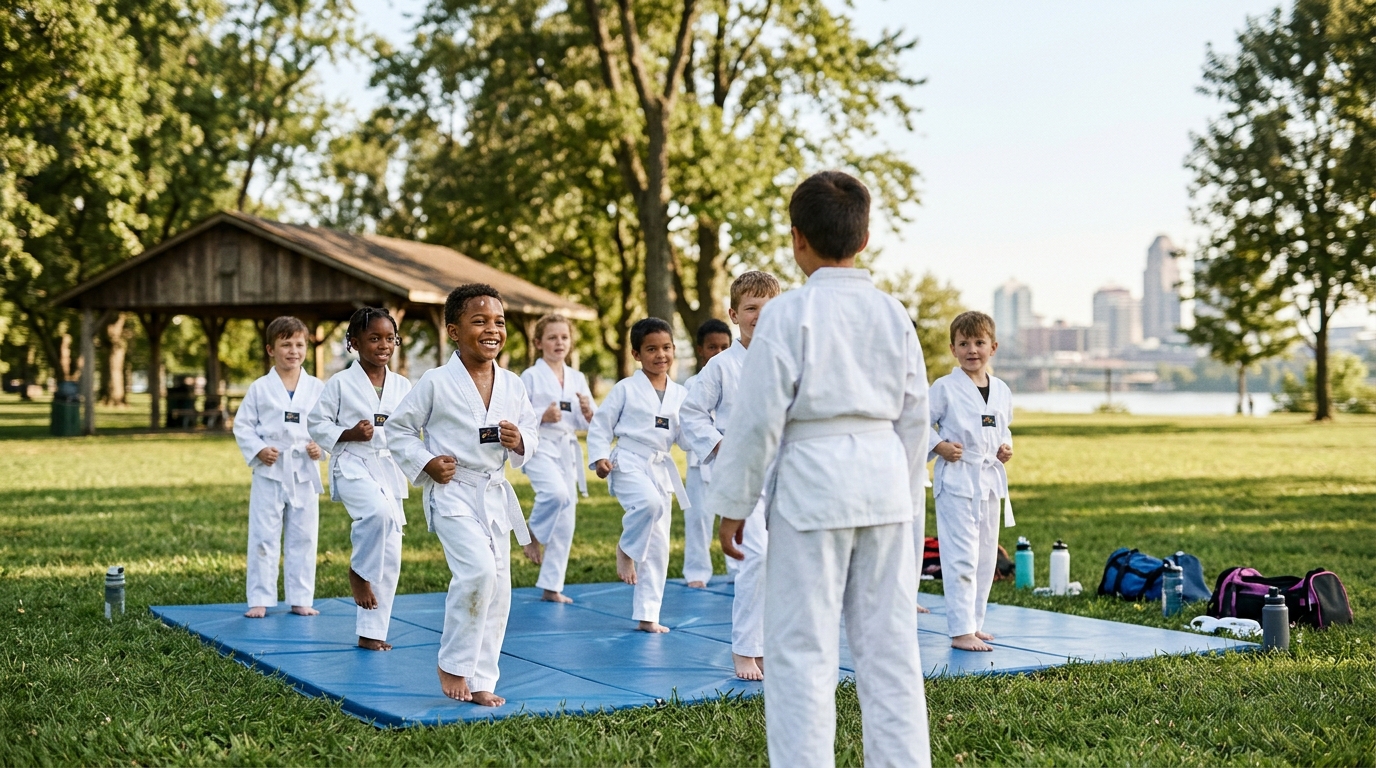
Parents in Louisville can find all-day martial arts summer camps at specialized academies like Hwang's Martial Arts, which offer structured, full-day programming. This guide covers how to choose the right camp, verify credentials, understand costs, and navigate local regulations. It provides a complete framework for selecting a safe, enriching environment for your child.
How to Choose a Quality Camp
Choosing a summer camp requires looking beyond marketing materials. A quality martial arts camp is defined by its instructional depth, safety protocols, and instructor qualifications. You must distinguish between a recreational activity center and a structured developmental program. according to Summer Day Camp
Instructional Depth vs. Recreational Play
Many camps label themselves as martial arts but spend most of the day on general games. A true martial arts camp integrates technical training with character development. Look for programs that include specific forms (poomsae), sparring, and self-defense techniques. Hwang's Martial Arts, for example, emphasizes Olympic-level instruction and character building, ensuring students learn discipline alongside physical skills.
Instructor Qualifications
The quality of instruction depends entirely on the staff. Verify that instructors hold black belts in recognized disciplines such as Taekwondo, Judo, or Hapkido. Check for certifications in first aid and CPR. Instructors should be trained in child development and classroom management, not just combat sports.
Specific Questions to Ask
When touring a facility, ask targeted questions to uncover operational realities. Do not accept vague answers. Specificity indicates a well-run program.

Staffing and Ratios
Ask about the student-to-instructor ratio. A lower ratio ensures individual attention. Inquire about the background check process for all staff members. Ask how many years the lead instructor has been teaching children.
Curriculum and Progression
Request a sample daily schedule. Ask how the curriculum adapts to different age groups. Inquire about the belt testing process during the camp. Does the camp offer a clear path for beginners to earn a new rank or complete a specific module?
Verifying Credentials and Claims
Claims of Olympic training or championship lineage must be verified. Do not take word for it. Use independent sources to confirm credentials.
Checking Instructor Backgrounds
Verify black belt ranks through the governing body of the specific martial art. For Taekwondo, check with the World Taekwondo Federation or national associations. For Judo, verify with the United States Judo Federation. If a camp claims an instructor is an Olympic medalist, check official Olympic records.
Facility Inspections
Visit the facility in person. Check for clean mats, proper ventilation, and safe equipment. Look for visible safety signage and first aid kits. A reputable camp will welcome a tour and answer questions transparently.
Daily Structure and Operations
Understanding the daily flow helps you assess if the camp fits your child's energy levels. A typical all-day camp runs from early morning to late afternoon.
Standard Daily Schedule
Most camps start with a warm-up and technical instruction. This is followed by a break for snacks and free play. The afternoon often includes games, field trips, or specialized workshops. Meals are usually provided or packed by parents. Hwang's Martial Arts offers full-day camps that include field trips, swimming, and structured martial arts training, ensuring a balanced mix of activity and rest.
Transportation and Logistics
Clarify drop-off and pick-up times. Some camps offer transportation from local schools, while others require parents to drive. Check for late pick-up fees and emergency contact protocols.
Cost Factors and Pricing
Pricing for all-day martial arts camps varies based on duration, inclusions, and location. Understand what drives the cost to avoid surprises. according to Louisville Community Center
Price Drivers
Costs increase with the number of weeks enrolled, inclusion of uniforms, and access to specialized equipment. Camps that include field trips or meals may charge more. Compare the total cost per week against the value of the services provided.
Payment Options
Ask about payment plans and discounts. Many camps offer early bird rates or sibling discounts. Check if they accept payment plans to spread the cost over several months.
| Instructional Focus | General games and light drills | Structured martial arts curriculum |
| Instructor Credentials | Varies, often part-time | Certified black belts, Olympic lineage |
| Field Trips | Rare or optional | Regular, included in price |
| Character Development | Minimal | Integrated into daily lessons |
Common Mistakes to Avoid
Parents often make errors that lead to a disappointing camp experience. Avoid these pitfalls to ensure a positive outcome.
Ignoring Age Appropriateness
Enrolling a child in a camp designed for older kids can lead to frustration. Ensure the camp has age-specific classes. A 5-year-old needs a different environment than a 12-year-old.
Skipping the Tour
Never enroll without seeing the facility. A tour reveals the true culture and cleanliness of the camp. If the staff is evasive or the facility is dirty, look elsewhere.
Martial Arts vs. Other Camps
Martial arts camps offer unique benefits compared to traditional day camps. They focus on discipline, self-defense, and mental resilience.
Comparison with Traditional Camps
Traditional camps often focus on outdoor activities and socialization. Martial arts camps add a layer of structured skill-building. This can be beneficial for children who need routine or are interested in combat sports. However, if your child prefers unstructured play, a traditional camp might be a better fit.
Tailoring for Specific Needs
Consider your child's specific needs when choosing a camp. Some children need a structured environment to manage energy, while others need a social boost.
For Shy or Anxious Children
Martial arts camps can be excellent for shy children. The structured environment and focus on individual progress can help build confidence. Look for camps with a supportive, non-intimidating culture. Hwang's Martial Arts emphasizes a positive, encouraging atmosphere that helps children overcome shyness.
Regulations and Safety Protections
Summer camps in Louisville are subject to state and local regulations. Understanding these protections ensures your child's safety.
State Licensing
The Louisville Metro Department of Public Health and Wellness permits both residential and day camp facilities. They conduct inspections of each youth camp twice per year. The Kentucky Youth Camp regulation (902 KAR 10:040) was revised in late 2018 to enhance safety standards. Verify that the camp you choose is licensed and in good standing with these authorities.
Louisville Local Specifics
Choosing a camp in Louisville involves considering local geography and community resources. Proximity to your home or school can significantly impact your daily routine.
Location and Accessibility
Hwang's Martial Arts operates three locations in Louisville: Jeffersontown, East End, and Okolona. This coverage allows families to choose a location that minimizes travel time. Check the specific address and parking availability for each location. The Jeffersontown location is at 2931 South Hurstbourne Parkway, while the East End location is at 2813 North Hurstbourne Parkway.
Timing and Registration
Timing your registration can affect availability and cost. Popular camps fill up quickly, especially in the summer.
Early Registration Benefits
Registering early often secures a spot and may qualify you for early bird discounts. Check the camp's registration deadline. Some camps offer rolling admissions, while others have strict cutoffs. Plan ahead to avoid last-minute stress.
Long-Term Outcomes
The benefits of a martial arts camp extend beyond the summer. Children often develop lasting skills and habits.
Confidence and Discipline
Studies suggest that martial arts training improves self-esteem and discipline. Children who participate in structured camps often show improved focus in school and better social skills. The habits formed during the camp, such as respect and perseverance, carry over into daily life.
Key Takeaways
- Verify instructor credentials through official governing bodies.
- Visit the facility in person to assess culture and safety.
- Check for state licensing and inspection records.
- Consider the camp's location and transportation options.
- Match the camp's intensity to your child's age and personality.
- Register early to secure a spot and potential discounts.
- Look for camps that integrate character development with physical training.
- Ask specific questions about staffing ratios and curriculum.
Frequently Asked Questions
What is the minimum age for martial arts summer camp?
Most camps accept children as young as 3 or 4 years old. Classes for younger children focus on fun, basic movements, and socialization. Check the specific age requirements for each camp.
Do I need to buy a uniform?
Some camps provide uniforms, while others require you to purchase one. Ask about the uniform policy and cost before enrolling. Hwang's Martial Arts often includes a uniform in their trial or camp packages.
Is martial arts camp suitable for beginners?
Yes, most camps are designed for beginners. Instructors are trained to teach students of all levels. No prior experience is necessary.
How many hours is the camp per day?
All-day camps typically run from 7:00 AM to 6:00 PM. Some offer extended care options. Check the specific hours for the camp you are considering.
Are meals provided?
Some camps provide lunch and snacks, while others require children to bring their own. Check the meal policy and any dietary restrictions.
Can I visit the camp during the day?
Most camps do not allow visitors during the day to maintain focus and safety. However, you can usually schedule a tour before the camp starts. according to Sustainable You Camps