
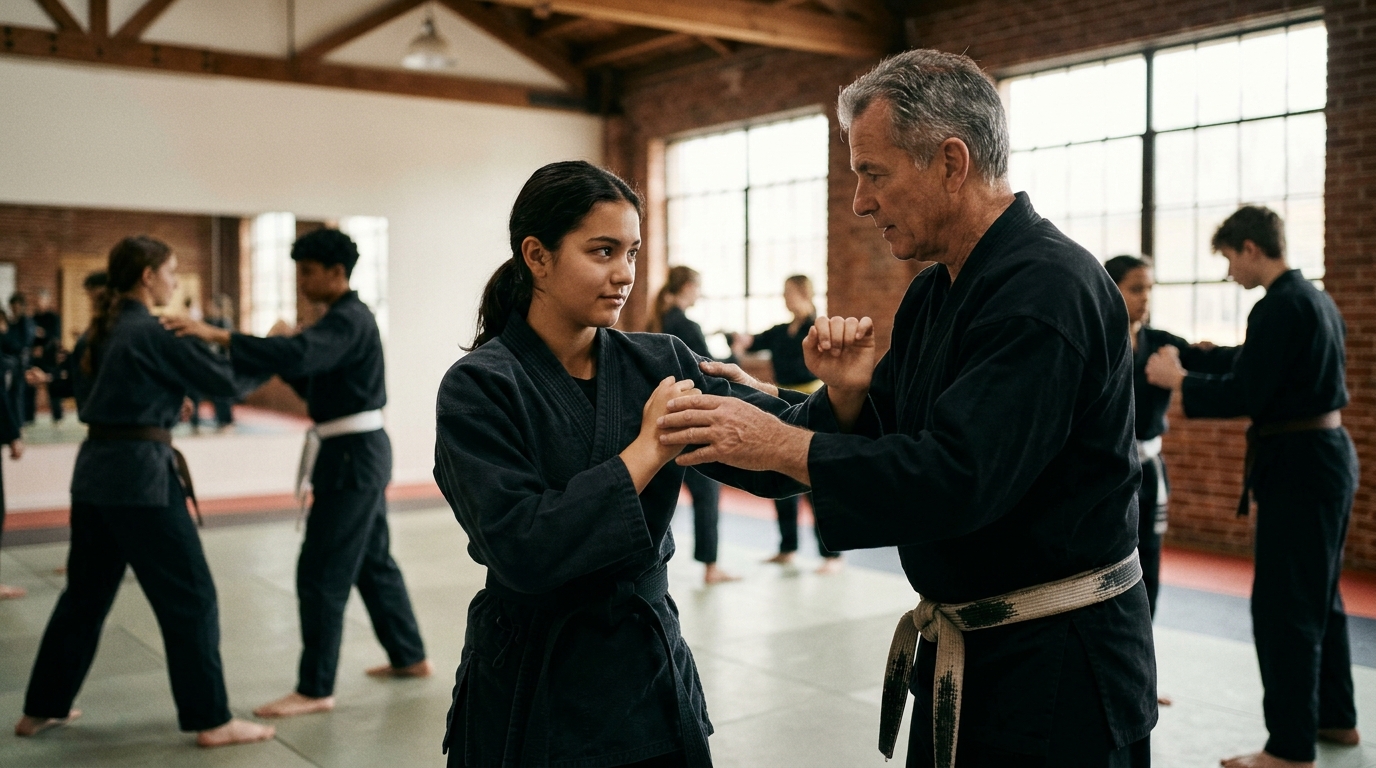
When selecting a martial arts studio for a teenager, prioritize instructors who teach practical self-defense techniques over purely competitive sparring. Look for a curriculum that emphasizes situational awareness, de-escalation, and realistic threat management. Hwang's Martial Arts in Louisville offers a dedicated teen program that balances physical fitness with these critical safety skills.
Practical Self-Defense Versus Competitive Sport
Many parents confuse competitive martial arts with self-defense training. Competitive sport is a regulated activity governed by strict rules that prohibit certain strikes and techniques. In contrast, self-defense is the application of physical and mental skills to protect oneself from unregulated, real-world threats. A studio that focuses exclusively on tournament preparation may not teach the specific skills needed to handle a street altercation.
Teens need to understand that a real fight is not a sport. There are no referees, no time limits, and no rules against striking vulnerable areas. Instructors must teach students how to recognize danger before it becomes physical. This includes reading body language and understanding environmental risks. At Hwang's Martial Arts, the curriculum is designed to build a championship mindset that applies to safety, not just competition.
The implication for parents is clear: ask the instructor how they teach for real-world scenarios. If the answer is only about winning a belt or a medal, the studio may not be the right fit for self-defense goals.
Instructor Qualifications and Teaching Style
The quality of instruction is the single most important factor in a teen's development. Instructor qualification is the verification of an instructor's technical knowledge and teaching experience through recognized certifications. However, a high rank does not automatically mean a person is a good teacher. Parents should observe a class to see how the instructor interacts with students.
Look for instructors who are patient, clear, and firm. Teens respond well to structure and respect. An instructor who yells or uses intimidation is not creating a safe learning environment. Conversely, an instructor who is too lenient may not push students to improve. Grandmaster Jung Oh Hwang, a 1984 Olympic Silver Medalist, has spent decades refining a teaching style that balances high standards with genuine care for each student's growth.
Verify that the head instructor is present during the teen classes. If the head instructor is rarely in the building, the quality of teaching may vary significantly between sessions. Consistency in instruction ensures that students are learning the same techniques and safety principles every week.
Curriculum Focus on De-escalation and Awareness
Physical techniques are only one part of self-defense. Situational awareness is the ability to perceive and interpret environmental cues to avoid dangerous situations. A comprehensive self-defense curriculum must teach teens how to avoid conflict before it starts. This includes understanding personal space, recognizing predatory behavior, and knowing when to leave a situation.
De-escalation is the process of reducing the intensity of a conflict through verbal and non-verbal communication. Teens are often in social situations where verbal conflicts can escalate quickly. Learning how to stay calm and use words to defuse a situation is a critical life skill. Studios that only teach strikes and kicks are missing a vital component of safety.
At Hwang's Martial Arts, the teen program includes mindset exercises that improve focus and emotional control. These mental skills are just as important as physical techniques. A teen who can stay calm under pressure is less likely to make poor decisions in a high-stress situation.
Class Environment and Peer Culture
The social environment of a studio has a profound impact on a teenager's experience. Peer culture is the shared set of values, behaviors, and norms among a group of students. A positive peer culture encourages respect, teamwork, and mutual support. A negative culture can lead to bullying, exclusion, and a focus on dominance rather than skill.
Observe how students treat each other during class. Do they help each other up after a fall? Do they cheer for their peers? Or do they mock mistakes? A studio that fosters a supportive community will help teens build confidence and social skills. This is especially important for teens who may struggle with social anxiety or low self-esteem.
Parents should also consider the age range of the teen classes. Mixing very young teens with older teens can sometimes lead to power imbalances. Studios that group students by age and skill level create a more equitable learning environment. Hwang's Martial Arts offers age-specific programs that ensure teens are training with peers at a similar developmental stage.
Facility Safety and Cleanliness
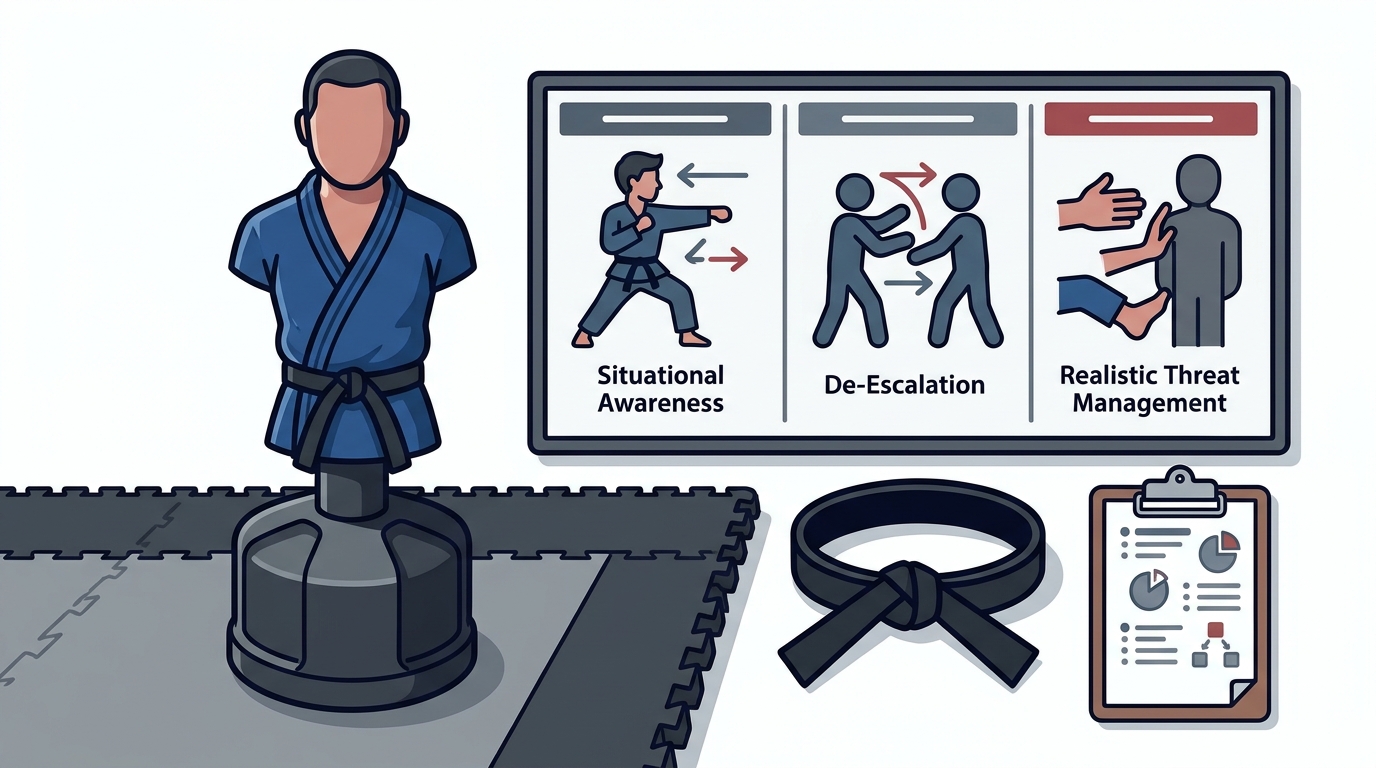
The physical environment of the studio is a direct reflection of the management's priorities. Facility safety is the implementation of protocols and physical conditions that prevent injury during training. This includes clean mats, proper padding, and well-maintained equipment. A dirty or poorly maintained facility is a red flag that indicates a lack of attention to detail.
Check the condition of the mats. Are they clean and free of tears? Is there adequate padding around hard surfaces? Are the training areas well-lit and ventilated? These details matter because they directly impact the risk of injury. A studio that takes safety seriously will have clear protocols for cleaning and maintenance.
Parents should also ask about the studio's insurance and liability policies. A reputable studio will have comprehensive insurance coverage that protects students in the event of an injury. This is a standard practice for professional martial arts schools. Hwang's Martial Arts maintains three clean, well-equipped locations in Louisville, ensuring that students have a safe and professional environment in which to train.
Key Takeaways
- Prioritize studios that teach practical self-defense and situational awareness over purely competitive sparring.
- Verify instructor qualifications and observe their teaching style to ensure they are patient and firm.
- Look for a curriculum that includes de-escalation and emotional control, not just physical techniques.
- Assess the peer culture to ensure it is supportive and respectful, not dominant or exclusionary.
- Inspect the facility for cleanliness and safety protocols, including mat condition and insurance coverage.
- Choose a studio with age-specific classes to ensure a fair and appropriate training environment for teens.
Frequently Asked Questions
What is the difference between self-defense and competitive martial arts?
Self-defense is the application of skills to protect oneself from unregulated real-world threats, while competitive martial arts is a regulated sport governed by specific rules and referees.
How do I know if an instructor is qualified to teach teens?
Check for recognized certifications and observe their teaching style. A qualified instructor is patient, clear, and firm, and they are present during the classes they are responsible for.
Why is situational awareness important for teen self-defense?
Situational awareness helps teens recognize and avoid dangerous situations before they become physical, which is the most effective form of self-defense.
Should I choose a studio that offers multiple martial arts disciplines?
Yes, a studio that offers multiple disciplines like Taekwondo, Judo, and Hapkido can provide a more well-rounded skill set for self-defense.
How important is the peer culture in a martial arts studio?
Very important. A positive peer culture fosters respect and confidence, while a negative culture can lead to bullying and a focus on dominance rather than skill.
What should I look for in the physical facility?
Look for clean mats, proper padding, good lighting, and clear safety protocols. The facility should be well-maintained and professional.
Start Your Teen's Self-Defense Journey
Choosing the right martial arts studio is a critical decision for your teenager's safety and development. By focusing on practical self-defense, instructor quality, and a positive learning environment, you can find a program that will empower your teen with skills that last a lifetime. Hwang's Martial Arts invites you to explore our teen program and see how we build confidence, discipline, and real-world strength in Louisville's teens.